
About Us
Our Vision
We exist for the purpose of reaching and growing people across the street and around the world in the name of the Lord Jesus Christ. That’s it, that’s us in a nutshell! We want to reach out to our community and world to help them know who Jesus Christ is and the difference that He can make in their lives.
Discovering Our Vision
Carolina Forest Community Church began as a vision placed on the hearts of a small group of believers . In February of 1997 this group began meeting, praying and preparing for the Carolina Forest community and the church that God was planting there. On September 7, 1997, we celebrated with our first official worship service at Carolina Forest Elementary School, with over 300 people in attendance.
In March of 2000, we continued our quest to reach the unchurched and moved into the current multi-purpose facility that lies on 25 acres in the heart of Carolina Forest.
Following the example that Jesus himself set, CFCC is a “come as you are” and “meet people where they are” style of ministry. Following the example that Jesus himself set, CFCC is a “come as you are” and “meet people where they are” style of ministry. CFCC continues to grow in membership and outreach, encompassing people from all walks of life and equipping them at their various levels of spiritual maturity.
Our Values
We are a BATTLESHIP not a CRUISESHIP
Cruises are fun and entertaining. They are designed to cater to the wants and desires of the customer. The church is not a cruise ship built for comfort. We are a battleship. We have a purpose. we have a mission: to serve king Jesus. We are not here to entertain the saved. We are here to grow, to connect, and to deepen our relationship with Jesus so that we can be more effective in carrying out the mission of Jesus. If you are looking for a church where you can fit in by sitting back and enjoying the ride, we are not it. We are a church that willingly sacrifices our comforts and pleasures for the sake of our mission. You’re not going to see tons of affinity related ministries or events. That’s not what we are about. We are about growing people in Jesus, Deepening our relationship with Him, and Spreading the Gospel to fulfill His mission.
We are a HOSPITAL not a COURTROOM
Courtrooms are a place for judgment. Hospitals are a place for healing. Grace reigns as our supreme ethic. None of us are perfect. We don’t want you to pretend to be. Jesus makes it clear that because we have received a great mercy from Him, we are to show great mercy to others. We are not here to criticize and condemn others. We are a place where broken, hurting people can come to get healing without judgment.
We are a GYM not a MUSEUM
Museums are for preserving the past. Gyms are for growing and building. Gyms are a place of transformation. We aren’t here to maintain traditions. We don’t do things just because that’s how they’ve been done in the past. We want to see growth. We want to see lives changed. We want more than just conversion. Jesus never tells us to win converts but to make disciples. Our mission is to teach and train people how to be passionate followers of Jesus. Jesus calls us to an all-consuming journey that changes our lives forever. It’s a process. It takes time. We are not perfect. We are works in progress. We seek to strengthen our relationship with God and to grow in Him. We care more about growth than preserving traditions.
We are LEGOS not LONE RANGERS
If God wanted us to be alone, He wouldn’t have given us the church. We live in an independent, individualistic “lone ranger” society. That is not how God created us to be. We were created by community, in community, for community. Our lives are shaped by our community. We are like Legos. Legos are different in size, color, and function but they are made to be connected. We are designed to fit together. Not only do we value connection with other believers, we realize that we cannot be what God made us to be without them. We are a church committed to Encountering Jesus together and growing together in our relationship with Him. Community is part of God’s design for His church. We cannot honor God faithfully or follow God fully outside of the community He gave us.
We are all about JESUS
The message of the Gospel is simple: it’s all about Jesus. It’s always about Jesus. Therefore, Our priorities are simple: HE > WE > ME. Jesus comes first. Nothing else comes close. The driving force behind our focus and our decisions is what we believe most glorifies Jesus. After glorifying Jesus, our next focus is His bride, the church. on what’s good for the community as a whole. The individual comes last. We are not the King. He is. We believe by placing ourselves last, each person learns to focus on others, rather than themselves. Jesus says the greatest commandment in the law is to love God and love others. We are a church focused on: “What can we give?” rather than “What can we get?”
Our Beliefs
There is one God who is infinite, almighty, perfect, holy, loving, just, and true. God has eternally existed in community with Himself as a triune Godhead. God is 3 distinct persons: Father, Son, and Holy Spirit who co-exist and are co-equal. The Father is not the Son, and the Son is not the Holy Spirit, yet each is fully God. The trinity, God is 3-in-1 – Father, Son, and Holy Spirit – is the foundation of Christian faith and life.
(Deuteronomy 6:4, Matthew 28:19, John 1:1, John 10:30, John 14:16-17, 2 Corinthians 13:14, Isaiah 6:3, Colossians 2:9, Matthew 3:16-17)
Jesus is simultaneously one with and fully distinct from God the Father. He is the Creative power of the universe through whom all things were made, the Word of God who has eternally existed in perfect unity with the Father. He was before all things and in all things hold together by the word of His power. Through the power of the Holy Spirit the virgin Mary conceived, and the Word of God was made flesh in Jesus, who was fully God and fully man at the same time. He is the image of the invisible God, lived a perfect life and though He was without sin, died on the cross as a substitutionary sacrifice for all sin to serve as a propitiation of the wrath of God so that through His death those who believe in Him will receive life. He is the way, the truth, and the life and no one comes to the Father except through Him.
By His death in our place, He revealed the divine love and upheld divine justice, removing our guilt and reconciling us to God. Having redeemed us from sin, the third day He rose bodily from the grave, victorious over death and the powers of darkness and for a period of 40 days appeared to over 500 witnesses performing many convincing proofs He was alive. He ascended into heaven where, at God’s right hand, He intercedes for His people and rules as Lord of all. He is the good shepherd and head of the church, and should be adored, loved, served and obeyed by all.
(John 1:1-14, Luke 1:35, Hebrews 1:3, Colossians 1:15-17, Colossians 2:9, Philippians 2:6-8, 1 Corinthians 15:3-6, Romans 5:8-10, Acts 1:9-11, Hebrews 7:25)
The God of the Bible is deeply personal and intentionally makes Himself known. Through the Bible, He reveals to us His nature, His character, His goodness, and His glory, displayed as He demonstrates His faithfulness throughout human history through His unfolding plan of salvation—all ultimately pointing us to His greatest self-revelation: Jesus. It is not a rulebook but a treasure trove of His nature, character, and calling on our lives — in its pages we discover our identity, our purpose, and our place in His story. These 66 books — 39 in the Old Testament, 27 in the New — are God's written Word, infallible as they were given. Because it is God's own Word, Scripture demands to be read on its own terms: each book interpreted according to its context, genre, and purpose, and received with obedience to what God is instructing us to do. It is our guide for the Christian life and the source of all sound practice and doctrine.
The Word is essential to our lives, which is why every believer is called to study it diligently and apply it faithfully. Scripture alone holds final authority over Christian life, practice, and doctrine — it is the standard by which everything else is measured. It is complete in itself; nothing may be added to it, nothing may replace it, and nothing — whether church tradition, claims of new revelation, or the reasoning of the world — may alter what it says. Any creed, confession, or theological claim must ultimately answer to the full testimony of Holy Scripture.
(2 Timothy 3:16-17, Psalm 19:7-11, 2 Peter 1:20-21, Psalm 119:105, John 17:17, Hebrews 4:12, Deuteronomy 6:6-9, Isaiah 40:8, Revelation 22:18-19)
The Gospel is a person. His name is Jesus. The good news we proclaim is His birth, life, death, resurrection, and ascension. The Gospel shares the story of our adoption. The cross stands as the heart of the gospel, the empty tomb as its power, and His ascension as its glory. On the cross, Jesus stood in our place as a substitutionary sacrifice, offering Himself as the propitiation that turns away God’s wrath against sin. His death satisfies every demand of God’s holy, just, and righteous character while demonstrating the unfathomable depth of God’s love through His amazing grace.
No one comes to God except through Jesus Christ, who is the only mediator between God and man, our great high priest; no other name has been given by which anyone can be saved. All that we believe is centered — at the cross and empty tomb — where redeemed sinners are granted the staggering privilege of glorifying God for what He alone has accomplished. We are saved by grace alone, not by works. The Bible teaches that the only thing any of us contributed to our salvation, was the need for it.
(Luke 2:10-11, 1 Corinthians 15:1-4, Romans 3:25, 1 Peter 3:18, Romans 1:16, Acts 4:12, 1 Timothy 2:5, Galatians 6:14, Colossians 1:15-20)
We are saved by grace alone, through faith alone, in Christ alone, for the glory of God alone. Our faith is not a work, but it is itself, a gift from God. Anyone turning from sin and surrendering to Jesus placing their trust and their life in Him receives eternal life and is declared righteous in the eyes of God not because of their works, but because of the work of Jesus on the cross for them. This is a free gift, in which, through Jesus, we who were God’s enemies are transformed into God’s children through the atonement for sin, we are justified and fully accepted by God. All believers are forgiven of the debt of sin and through the regeneration of the Holy Spirit, freed from the law of sin and death to walk in the new life of the Spirit.
(Ephesians 2:8-9, Romans 3:24, Romans 5:1, Romans 5:8-10, Romans 8:1-2, Titus 3:4-7, Galatians 2:16, 2 Corinthians 5:21, John 1:12, Colossians 2:13-14)
The church is the body of Christ created by Jesus, for Jesus, through Jesus. He founded it, purchased it with His own blood, and continues to build it as a living community of believers. It is made up of all those who have been united to Christ by faith: called out of the world, gathered to Him, and set apart for His purposes.
The church is not a religious institution or denomination. The church is the global family of believers who have personally embraced the Gospel. At its core, the church exists to worship and glorify God and to serve Him by faithfully doing His will on earth. This includes a shared commitment to preach the gospel and plant churches throughout the world as a testimony to who He is.
The ultimate mission of the church is to become a community of disciple making disciples— through the preaching and embracing of the gospel. When God transforms human nature in this way, it becomes the chief instrument by which society itself is transformed. God’s calling on the church community in the New Testament was to devote themselves to: sound teaching, fellowship with one another, the Lord's Supper, and prayer.
(Matthew 16:18, Acts 20:28, Ephesians 1:22-23, Ephesians 2:19 22, Romans 12:5, Ephesians 3:20 21, Matthew 28:19-20, Acts 1:8, Acts 2:41-42)
Water baptism is only for those who have received, understood, and surrendered to Jesus. It comes from each individual’s response to the Gospel and is not a decision someone else can make for you. It is a command of Jesus, so all who love Him, as a testimony to God, the church, and the world, should be immersed in water baptism in the name of the Father, Son, and Holy Spirit.
Water doesn’t save. Jesus does. Water baptism is a symbol of our death to our old self and the mastery sin held over us and resurrection to new life in Jesus. It is a demonstration of our faith and our surrender to Jesus and celebrated as the wedding ceremony of our faith.
Communion, or the Lord’s Supper is only to be observed by those who are in Jesus. It is a symbol of the breaking of Jesus’s body and the shedding of His blood on our behalf and is observed regularly throughout the Christian life as a symbol of our regular remembrance and proclamation of Christ’s once for-all death for us and a visible expression of our continuing fellowship with Christ and His body, the church. As we partake of communion in faith and self examination, we remember and proclaim Christ's death, receive spiritual nourishment for our souls, and give visible expression to our unity with the rest of Chris's body.
(Matthew 28:19, Acts 2:38, Romans 6:3-4, Colossians 2:12, Acts 8:36-38, 1 Corinthians 11:23-26, 1 Corinthians 10:16-17, 1 Corinthians 11:27-29, Luke 22:19-20)
God the Father is the Creator of heaven and earth. Ex Nihilo- Out of nothing, through the power of His Word and for His own glory, He brought the world into being. The Word continues to sustain and uphold all He has made, day by day. He reigns over all things, and together with the Son and the Spirit, is the Sovereign God. Nothing can frustrate His plans or purposes. He is eternally faithful, causes all things to work together for the good of those who love Him, and in grace beyond comprehension, gave His own Son, Jesus Christ, for the redemption of mankind. He made all things for the praise of His own glory, and His unique design for man is that he would live in fellowship with Him.
(Genesis 1:1, Hebrews 11:3, Colossians 1:16-17, Isaiah 46:9-10, Psalm 115:3, Lamentations 3:22-23, Romans 8:28, John 1:1-14, John 3:16, Ephesians 1:3-6)
The third person of the Godhead, the Holy Spirit is the giver of life. When the gospel is preached, it is His work that pierces the heart — exposing sin, bringing conviction, confession, and driving repentance. He persuades men to surrender their lives to Jesus and profess Him as Lord. No one turns from sin and surrenders to Jesus as Lord apart from His inward persuasion; no one turns to and trusts in God's mercy except the power of the Holy Spirit.
It is the Spirit who unites us with Jesus and brings about the miracle of new birth as He dwells within those who belong to Jesus. The Holy Spirit has come to glorify the Son who in turn came to glorify the Father. He will lead the church into a right understanding and rich application of the truth of God’s Word.
(John 16:8-11, Acts 2:37-38, Romans 10:9-10, Titus 3:5, John 3:5-8, 1 Corinthians 6:19, John 16:13-14, John 14:26, Acts 5:3-4)
God made them — male and female — in His image. Humanity is the pinnacle of creation made to glorify God as we lived in fellowship with Him. Tempted by Satan, man rebelled against God, giving birth to sin. In sin we were separated from God and subject to divine wrath, inwardly depraved and apart from a special work of grace, utterly incapable of returning to God. This depravity is radical and pervasive. It extends to his mind, will and affections. Unregenerate man lives under the dominion of sin and Satan. He is at enmity with God, hostile toward, alienated from God, and unable to rescue himself. Fallen, sinful people, whatever their character or attainments, are lost and without hope apart from salvation in Christ alone.
(Genesis 1:26-27, Genesis 2:7, Genesis 3:1-7, Genesis 6:5, Psalm 51:5, Jeremiah 17:9, Romans 3:10 12, Romans 5:12, Romans 8:7, Ephesians 2:1-3)
The gospel calls for a response: faith— trusting in the person and work of Jesus. While faith alone saves, genuine faith is never alone; it naturally brings with it life transformation, repentance from sin and is revealed by a living out the good works and kingdom service God prepared in advance for us. Neither repentance nor works can save a person — but no one becomes Christ's disciple without a willingness to deny themselves, take up their cross, and follow Him. This gospel of grace must be preached sincerely to every person, in every nation.
(Ephesians 2:8-9, Acts 20:21, Luke 3:8, James 2:17-18, Matthew 7:21 23, Luke 9:23, Luke 14:27, Matthew 28:19-20, Mark 16:15)
The Holy Spirit is the active agent in our sanctification and seeks to produce His fruit in us as our minds are renewed and we are conformed to the image of Christ. Though indwelling sin remains a reality, as we are led by the Spirit, we grow in the knowledge of the Lord, freely keeping His commandments and living in the world that all people may see our good works and glorify our Father who is in heaven.
In New Testament, sanctification language typically describes our status in Christ. New Testament writers refer to our growing in Jesus through related and connected categories such as maturity, obedience, fruitfulness, transformation, and completeness. These categories are often blurred in theological discussion which conflate them under the singular heading: sanctification. Recognizing these distinctions helps us avoid confusing our standing in Jesus with our growth in Jesus.
Sanctification is the work of God by which He sets His people apart as His own and makes them increasingly transformed—more like Jesus in character, desires, and conduct. Because believers have already been sanctified in Christ, the Holy Spirit now matures and transforms them so that their character, desires, conduct, and relationships increasingly reflect who they already are in Him.
The Bible speaks of sanctification in three related realities:
PAST — POSITIONAL SANCTIFICATION.
Positional sanctification, or justification, occurs when God sets people apart for Himself at the moment of their surrender to Jesus, when they become Christians. This defines our identity, position, covenant status, and standing before God. It is the work of God in the believers life and the source of our identity in Him. Positional sanctification is what makes us who we are in Jesus.
(Acts 20:32, 1 Corinthians 1:2; 6:11, Romans 1:6-7; 3:23-24, Hebrews 10:10, 1 Corinthians 1:2, 2 Corinthians 5:17, Colossians 1:13-14, Romans 5:1, Ephesians 1:13-14; 5:3, Titus 3:5).
PRESENT — PROGRESSIVE SANCTIFICATION.
Progressive sanctification, or better understood as progressive transformation, is the ongoing, incomplete, lifelong process in which a Christian grows in maturity and Christlikeness. It shapes our character, desires, conduct, and relationships as we learn to live out who we already are in Christ. This is the work of God in us, which we are called to cooperate in. Progressive sanctification is our maturing in our relationship with Jesus to live and be more like Jesus as we abide in Him.
(Philippians 2:12-13, 2 Corinthians 3:18, Romans 12:1-2, 2 Peter 3:18, Galatians 5:16-25, Ephesians 4:22 24, 1 Thessalonians 4:3-4, Hebrews 12:14, Colossians 3:9-10)
FUTURE — PERFECTED SANCTIFICATION.
Our future glorification is the ultimate completion of God’s sanctifying work. After death, God sets His people apart from sin’s presence and possibility. This secures our complete freedom from sin, and full conformity to Christ.
(Romans 8:29-30, Philippians 3:20 21, 1 John 3:2, 1 Corinthians 15:51 54, Revelation 21:27, 1 Thessalonians 5:23, 2 Corinthians 5:8, Colossians 3:4)
The religious approach:
Behavior > Maturity >Identity
The Biblical process is demonstrated as the opposite:
Identity > Maturity > Behavior
The Sermon on the Mount Jesus opens with Kingdom Identity and concludes with, put these things into practice. God starts with identity. What we do is meant to flow from who we are.
Through our union with Jesus, we are made holy. This forms the foundation from which we grow in Godliness, in our lives and relationships; we strive to be what we are. Through the power of His Spirit, God’s grace ensures that the same faith that justifies a Christian also progressively transforms and matures a Christian in Jesus.
We believe that marriage, like everything else, must be understood through the lens of the Word, not the lens of the world. God made people — male and female — in His own image, and every human being carries inherent worth and dignity as His image-bearer. Yet we have all sinned and fall short of His design in one way or another, and it is only by His grace, extended to those who turn from sin and turn to Him, that any of us are made right before Him.
Marriage stands within this story as more than a social arrangement — it is a living picture of Jesus's own relationship with His Bride, the Church. God designed marriage to be between one man and one woman, for one lifetime. Any sexual activity outside that context is what Scripture calls sexual immorality. God designed sexual intimacy exclusively for the covenant relationship between a husband and wife, and He does not endorse or condone it anywhere else — which means any sexual expression outside of heterosexual marriage falls outside of His design and is prohibited by Scripture.
(2Timothy 3:16, Genesis 1:26-27, Genesis 5:1-2, Genesis 2:24, Matthew 19:4-6, Mark 10:6-9, Ephesians 5:22-33, Romans 3:23, Ephesians 2:4-5, 1 Corinthians 6:9 11, 1 Corinthians 6:18-20, 1 Corinthians 7:2-5, 1 Thessalonians 4:3-8, Hebrews 13:4, Leviticus 18:22, Romans 1:26-27, 1 Timothy 1:9-10, Song of Solomon 4:9-5:1, Proverbs 5:18-19, Malachi 2:14-16)
Scripture speaks with absolute clarity on the essentials of the faith — who Jesus is, how we are saved, the nature of God. But on many other issues, faithful followers of Jesus who love God's Word and submit to His authority have arrived at different conclusions: the expression of spiritual gifts, church governance, the age of the earth, the timing and nature of end-times, how God's sovereignty and human choice work in salvation, and more. This isn't a flaw in Scripture or a failure of the church — it's simply the reality of thoughtful people wrestling honestly with a text that doesn't spell out every detail with
equal clarity on every subject.
We want to be a place for all people. We love this kind of diversity. Proverbs tells us that iron sharpens iron, and some of the richest growth in our understanding of God happens in the give-and-take of real theological conversation with people who see things differently than we do. Conviction and humility were never meant to be enemies.
We welcome and encourage a diversity of views under three conditions: the view must be rooted in a genuine, faithful pursuit of understanding Scripture — with a willingness to let the Word of God shape our cultural assumptions and personal preferences; it must flow out of a heart submitted to Jesus, not a stance taken in defiance of Him; and it must be held and shared with love and respect toward those who view it differently, never with an air of superiority or condescension toward those who disagree.
In some areas, where the expression of a view, or a related action, could become a hindrance or distraction to someone who doesn't share that conviction, we ask those who hold it to act with consideration and respect for others — choosing love and unity over simply asserting a personal right. In the end, our goal isn't uniformity on every issue — it's unity around Jesus, marked by humility, charity, and a shared pursuit of Him above being right.
(2 Timothy 2:23-25, Romans 14:1 13, Romans 14:19-21, Proverbs 27:17, Ephesians 4:1-3, Ephesians 4:29, 1 Corinthians 8:9-13, 1 Corinthians 10:23-24, Philippians 2:3-4, Colossians 3:12-14, Titus 3:9 11, 1 Peter 3:15, Jude 1:3)
Our Staff
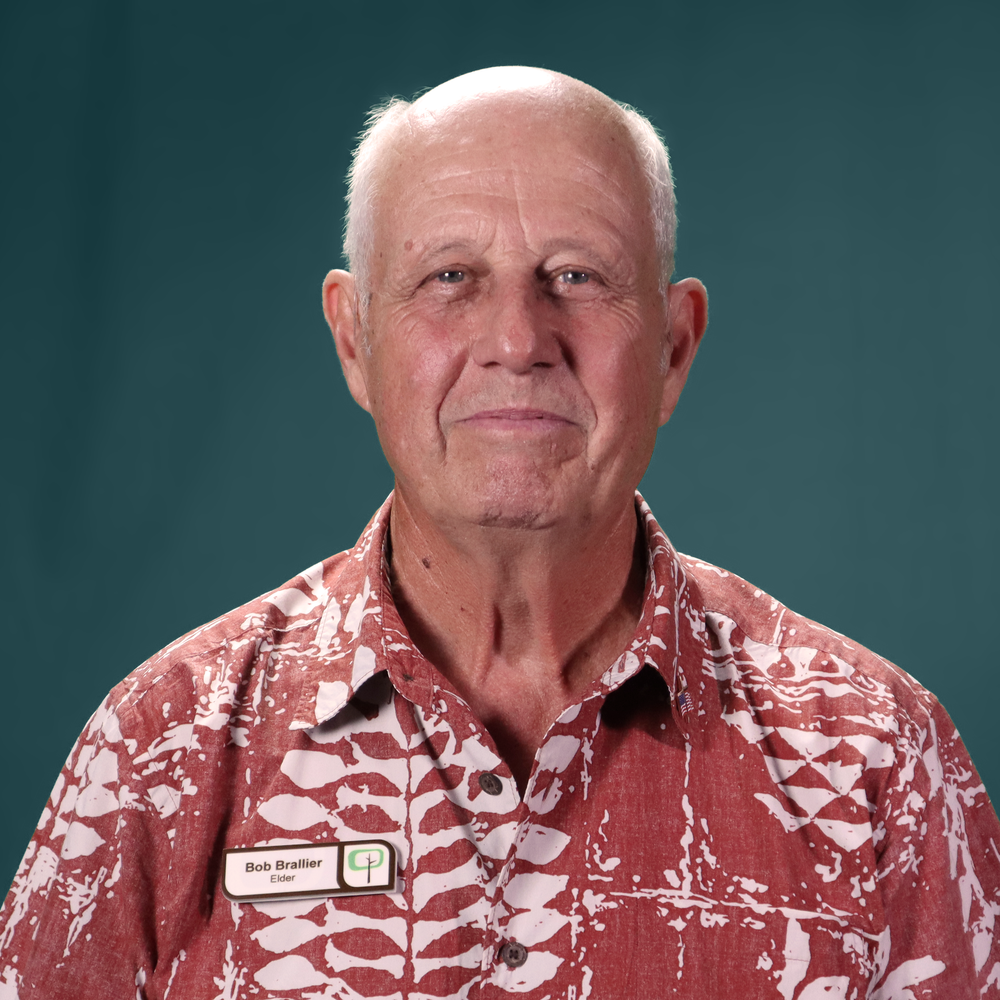
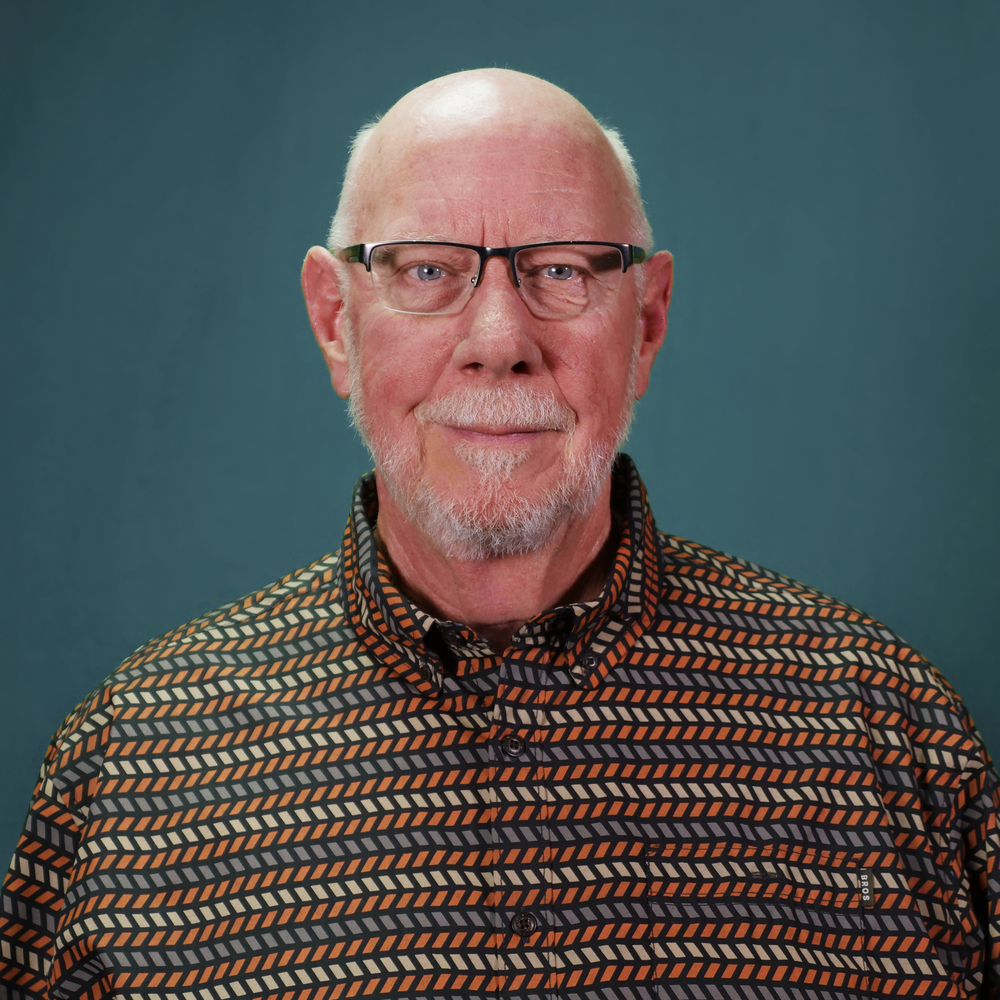
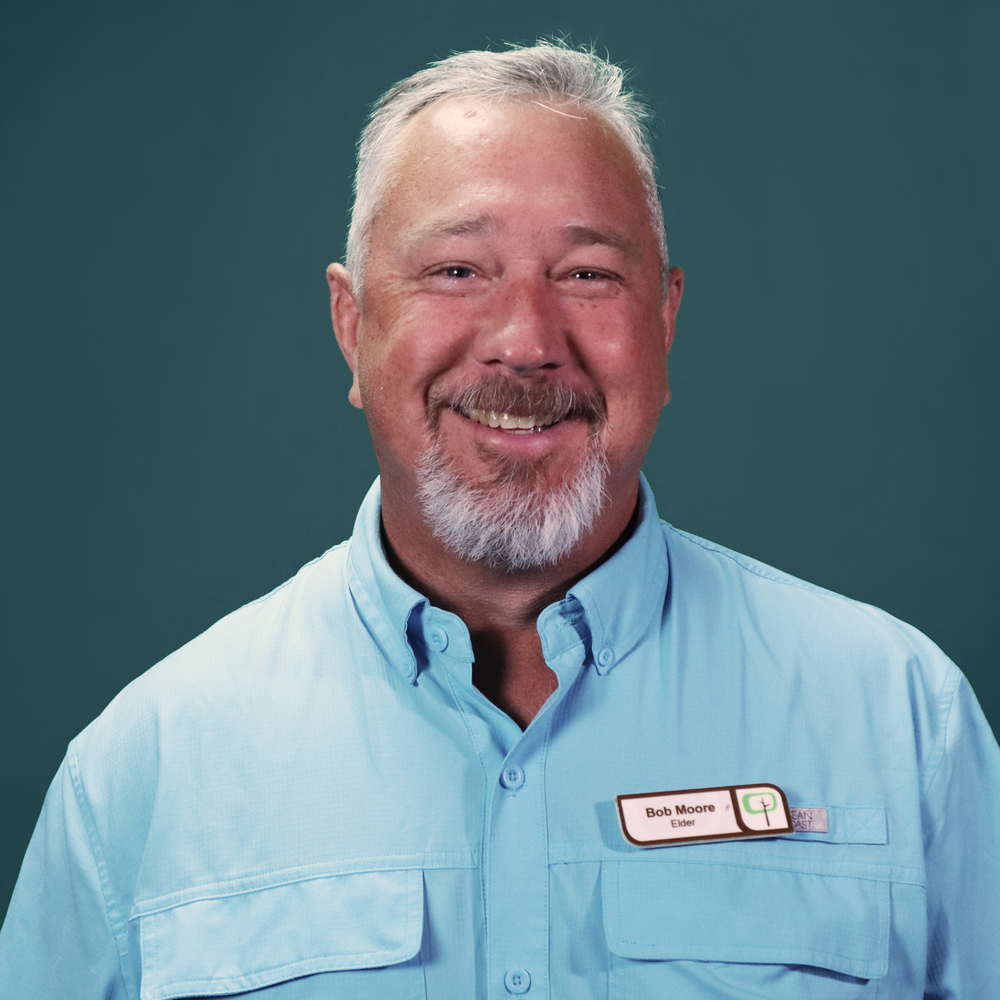
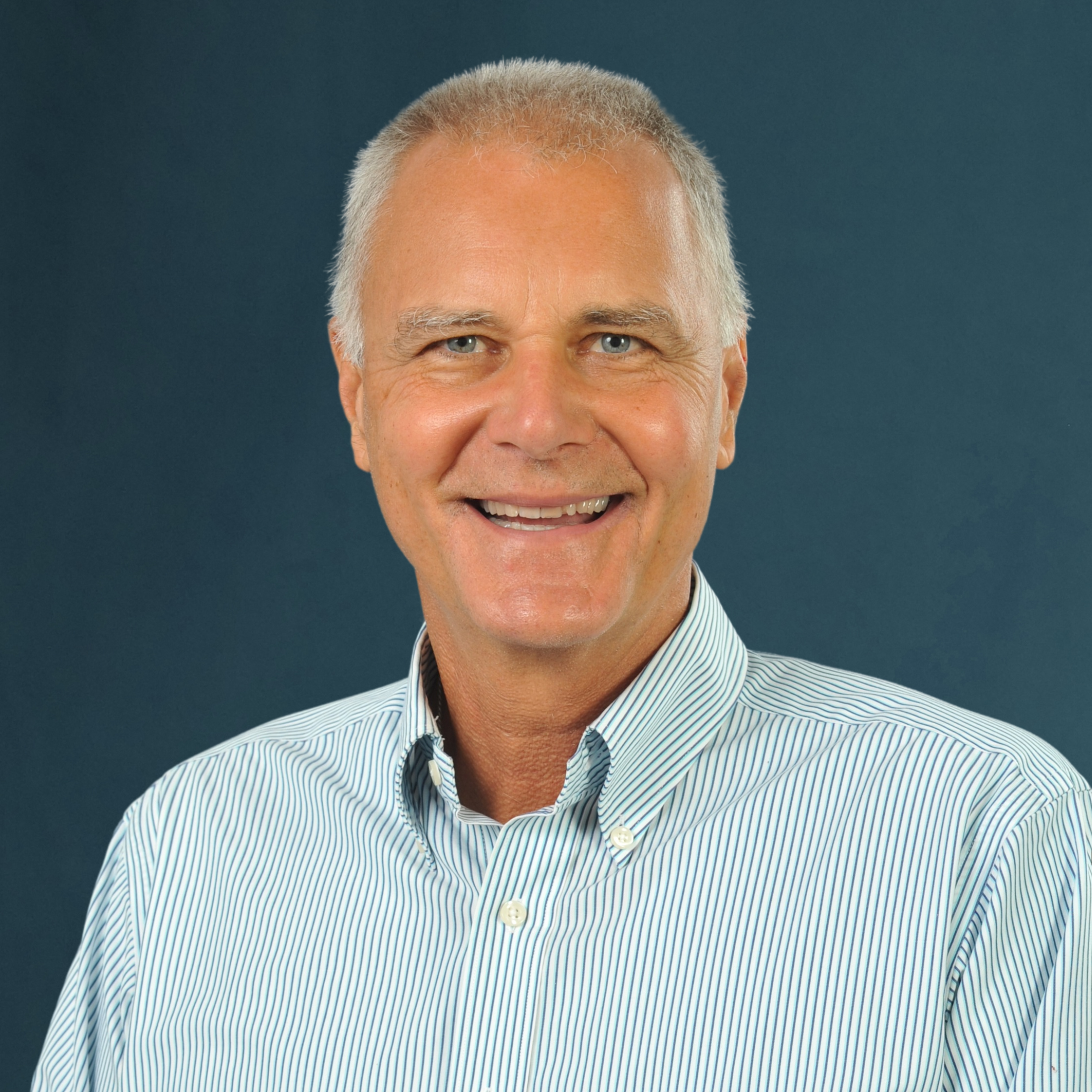
Our Elders
Our Family
The Bible teaches that believers are children of God. The church is a community of believers working together to fulfill the mission of Jesus for the glory of Jesus. While most churches use “membership” language to describe their core group of committed people, we prefer the term family.
Membership is typically about dues, rights, or access. Costco has membership. Netflix has membership. You pay them and they provide you with a service. There’s not really a relationship just an exchange. The church is not a club to be joined but a family to be a part of. Unlike clubs or memberships, families are all about relationship. Families connect, grow, support each other, and care for one another. That’s what we want our community to be: a family.
The first thing we like to do with anyone who is interested in joining our church family, is get to know you. We would love the opportunity to sit down with you and hear your story. We want to hear what led you to Jesus, your journey with Him and what brought you to us.
The Heart Behind Sunday Morning
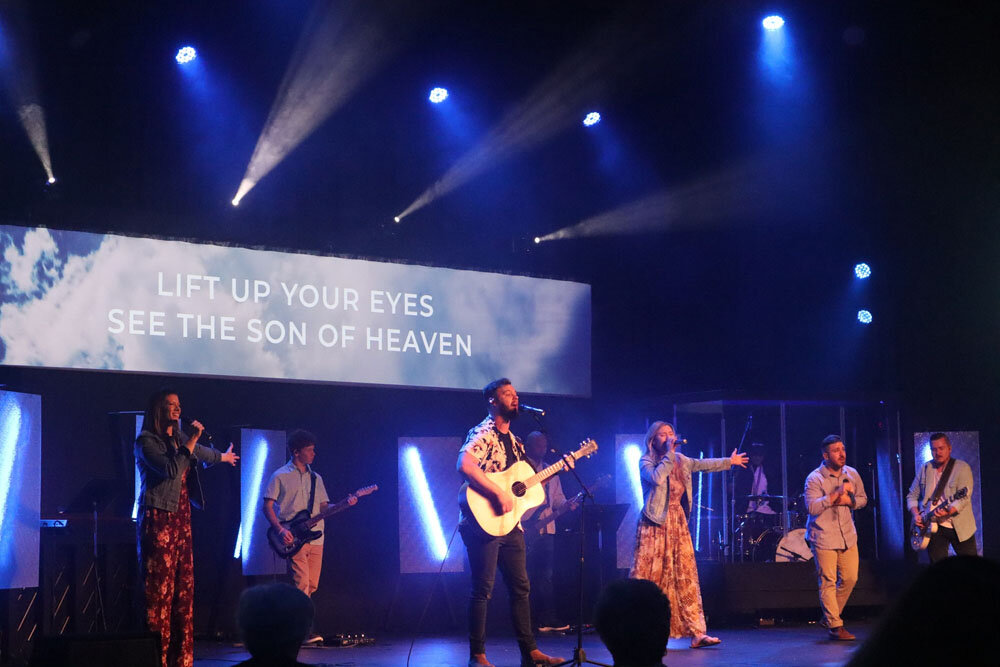
At Carolina Forest Community Church (CFCC), our Sunday morning gatherings are designed with a very specific purpose: to glorify God together as His people through corporate worship. Everything we plan and include in our services flows from that heart.
“And they devoted themselves to the apostles’ teaching and the fellowship, to the breaking of bread and the prayers. And awe came upon every soul, and many wonders and signs were being done through the apostles. And all who believed were together and had all things in common. And they were selling their possessions and belongings and distributing the proceeds to all, as any had need. And day by day, attending the temple together and breaking bread in their homes, they received their food with glad and generous hearts, praising God and having favor with all the people. And the Lord added to their number day by day those who were being saved.”
Acts 2:42–47
Acts 2 is a picture of the early church in its purest form. It’s a glimpse of what Jesus created and intended the church to be. Our focus as a family of believers is to emphasize the habits that led to the unity, growth, and transformation seen in Scripture.
At Carolina Forest Community Church, our Sunday morning worship services are focused on the essentials of worship that draw our church family closer to Christ and to one another. For that reason, our worship services center around four primary practices:
Worship together – lifting our voices in corporate praise and adoration of God.
Prayer engagement – both guided and personal, acknowledging our dependence on God.
Teaching of Scripture – the faithful proclamation of God’s Word as our ultimate authority.
Communion – celebrated on the first Sunday of each month, remembering Christ’s sacrifice and our unity in Him.
Celebrating Kingdom Growth – on occasion, we will take a moment to celebrate what God is doing and has done at CFCC, but this is secondary to the four primary objectives above.
These elements are at the heart of why we gather. They remind us of who God is, what He has done, and how we are called to live as His people.
Stewarding Time Wisely
We recognize that people’s time is precious and that attention spans in today’s world are short. Additionally, since we offer multiple services, it’s important to honor both the schedule and the needs of families. For these reasons, we aim to keep our worship services to approximately one hour.
What You Won’t Often See on Sundays at CFCC
Because of our intentional focus and time limitations, our services may look different from other
churches. For example, you typically won’t see:
Meet-and-greet times during the service
Lengthy announcements
Topical or vision-heavy sermon series that are not rooted in Scripture
Addressing political issues or current events from the pulpit
It’s important to note that we do not believe these elements are wrong. Other churches may choose to include them, and we affirm their vision and heart for ministry. We have simply chosen to narrow our focus so that Sunday mornings remain centered on Christ and His Word.
Our Approach to Politics and Sunday Worship
We live in a world where political conversations dominate the news cycle and often spill into personal relationships, workplaces, and social media. While we recognize that political issues affect people deeply, our Sunday morning worship services are intentionally free from political discourse. Our conviction is simple: Sunday mornings are about Jesus. We gather to lift up His name,
study His Word, and find our unity in Him, not in political parties, cultural movements, or national debates. This doesn’t mean that politics are unimportant, nor does it mean that Christians should
disengage from civic life. Rather, it means that Sunday worship is not the setting for these
conversations. Political discussions often divide, but the gospel unites.
We want CFCC to be a place where people from all backgrounds, perspectives, and
experiences can come together in the name of Jesus without the distraction or division that politics so often brings.
When Biblical Truth and Politics Overlap
In today’s cultural climate, the lines between what is Biblical and what is political have become increasingly blurred. Many truths clearly taught in Scripture, about life, justice, morality, sexuality, identity, and God’s design for His children, have been absorbed into political debates and redefined as partisan issues. As a result, biblical convictions are sometimes mistaken for political commentary.
Because one of our stated priorities on Sunday mornings is to teach directly from God’s Word, there will inevitably be moments when a passage of Scripture addresses a theme or issue that is also being discussed in the political or cultural arena. When this happens, our goal is never to promote a political position but to faithfully teach what the Bible says, trusting the Holy Spirit to bring conviction, understanding, and unity among God’s people. We ask for grace and discernment in those moments. Our commitment is to remain faithful to Scripture and to stay focused on the kingdom of God, not the kingdoms of men.
We recognize that life brings challenges, current events impact our community, and people desire spaces to connect, pray, and process. Because our Sunday mornings are not designed for intimate or nuanced conversations, we provide other intentional avenues:
Prayer Team on Sundays – available at the front after each service for anyone in need of prayer.
Monday Night Prayer Gathering – dedicated to lifting up personal needs, community concerns, and world events together in prayer.
Small Groups – the heartbeat of our church family, providing safe spaces for fellowship, discussion, support, and discipleship.
In addition, the elders at CFCC are committed to shepherding well. Anyone in need of counsel, prayer, or just conversation can connect with us directly by email (listed on our website) or through the church office to schedule a time to meet together.
Our Commitment to Communication
Because we do not use worship services as announcement platforms, we are intentional about
communicating in other effective ways:
- NFC tap tags on the back of auditorium seats provide quick access to upcoming events,
giving opportunities, and resources. - The Connection Center is staffed after each service by at least one elder and one staff member to answer questions and connect with people personally.
- Weekly Email Newsletter is sent out to the entire church family each week to keep
people engaged with upcoming events. - Social Media Posts are just another way that our communication team attempts to keep people informed on everything that is going on.
While we may occasionally make a church-wide announcement or speak into a significant current event, our conviction is to keep Sunday mornings centered on worshiping Christ.
Embracing Our Identity
We recognize that our approach may be different from other churches or from what some people have previously experienced in church life. That’s okay. Our heart is not to criticize
others but to remain faithful to the identity and calling God has given CFCC. Ultimately, Sunday mornings at CFCC are about glorifying God, building up His people, and keeping Christ at the center of our worship.
Join Us
You are welcomed here!
For those joining in-person, we have services at 8:30, 10 & 11:30 AM.
For those joining our online services at 8:30, 10 & 11:30 AM, watch and share comments on our Vimeo Livestream or YouTube Live.